


Floor maintenance tips are crucial for homeowners who want to preserve the beauty and durability of their flooring. Implementing a simple daily routine can keep your floors looking pristine without a significant time commitment. Here are some effective strategies to maintain your floors:
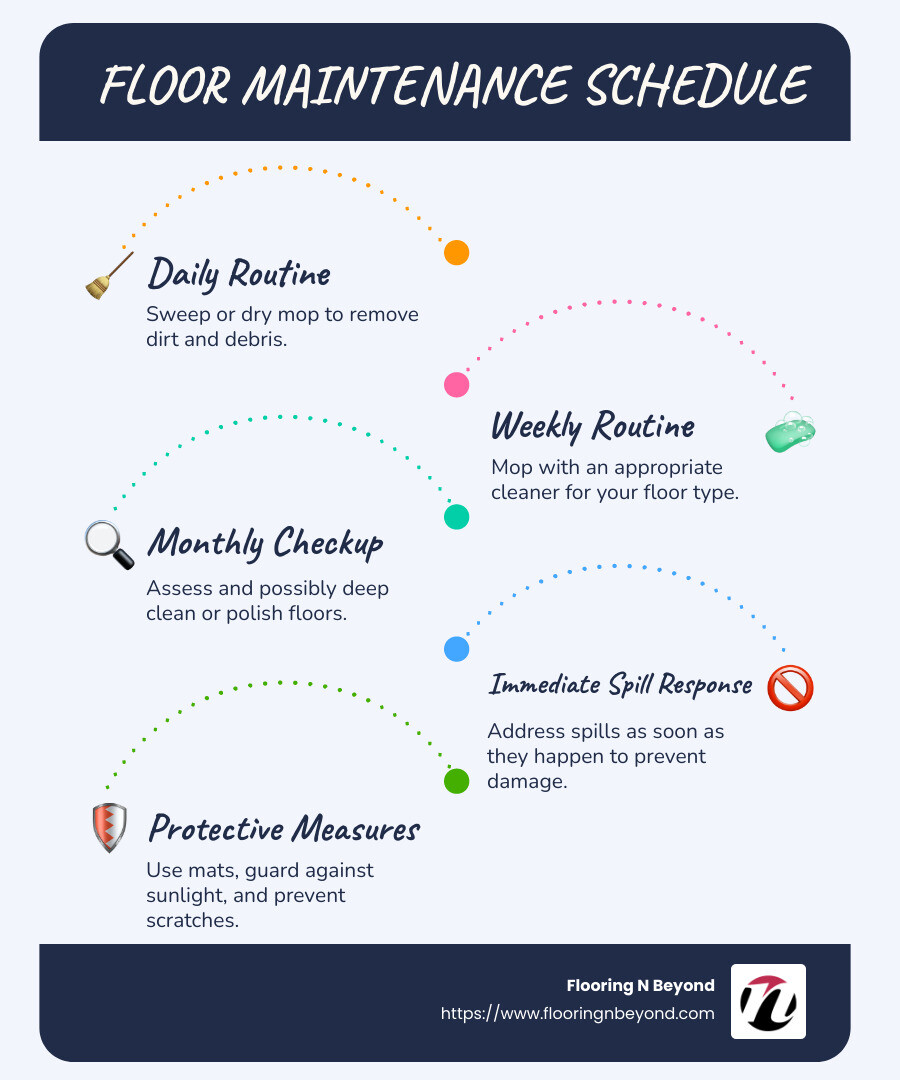
- Daily: Sweep or dry mop to remove dirt and debris.
- Weekly: Mop using a cleaner suitable for your floor type.
- Monthly: Evaluate the need for deep cleaning or polishing.
- Immediate: Address spills promptly to prevent damage.
- Protection: Utilize mats, shield from sunlight, and prevent scratches.'
A straightforward floor care routine is essential. Regular cleaning not only enhances your home's appearance but also prolongs the life of your flooring, safeguarding your investment.
By incorporating these practices, such as regular sweeping, quick spill management, and seasonal adjustments to your care routine, you can ensure your floors remain a beautiful feature of your home without adding stress to your busy life.
Step 1: Routine Cleaning
Routine cleaning is the foundation of effective floor maintenance. It's all about keeping things manageable and preventing dirt buildup. Here's how you can incorporate floor maintenance tips into your daily life without making it a chore.
Sweep or Dry Mop Daily
A quick sweep or dry mop each day can make a significant difference. It helps to remove dust, dirt, and pet hair before they settle in or cause scratches. Focus on high-traffic areas where dirt accumulates fastest.
Vacuum Regularly
Vacuuming is essential, especially for those with carpets or rugs. Use a vacuum without a beater bar to avoid damaging hard floors. For carpets, a vacuum with a power brush can help lift stubborn dirt and pet hair.
Microfiber Cloth Magic
Microfiber cloths are your best friend for everyday cleaning. They trap dust and dirt effectively without scratching surfaces. Use them to wipe down hardwood, laminate, or tile floors. They're also great for spot cleaning spills quickly.
Use the Right Cleaner
Choose a cleaner that's appropriate for your floor type. For hardwood, avoid water-based products and opt for a wood-friendly cleaner. For tiles, a mild detergent works well. Always follow the manufacturer's instructions to prevent damage.
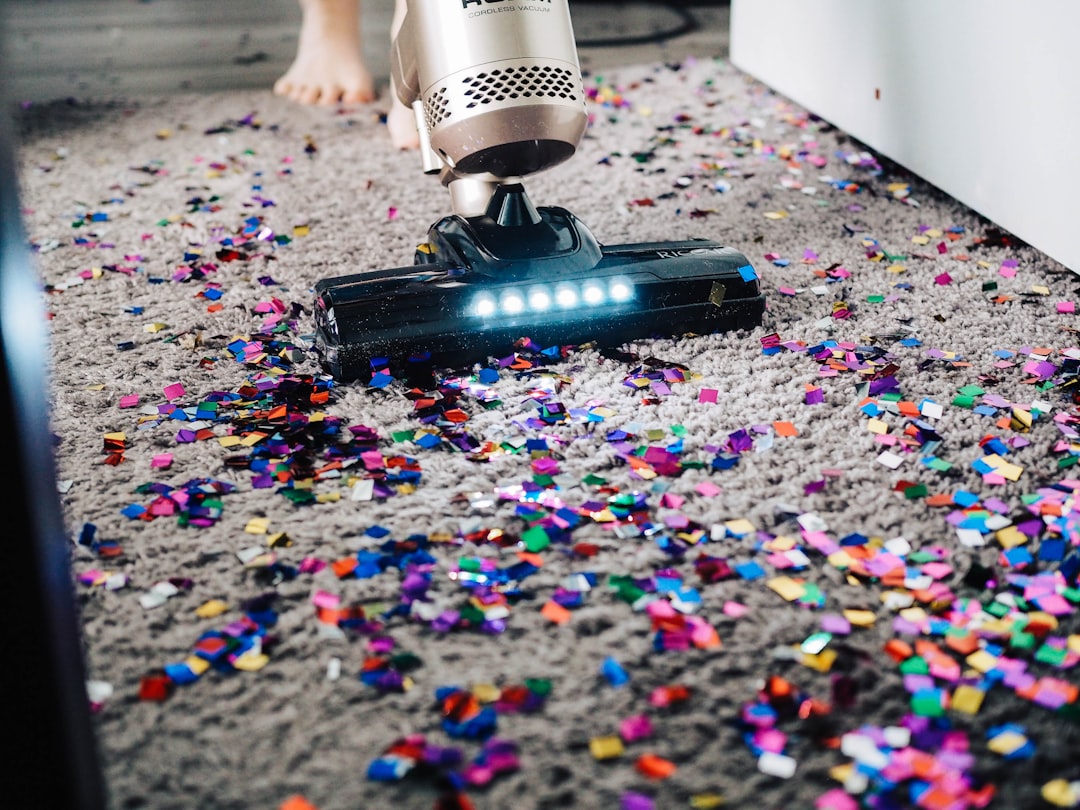
By incorporating these simple steps into your daily routine, you can keep your floors looking their best with minimal effort. It's all about consistency and using the right tools for the job.
Step 2: Immediate Spill Management
Spills happen. Whether it's a cup of coffee or a glass of wine, quick action is key to preventing permanent damage to your floors. Here's how you can manage spills effectively and keep your floors pristine.
Blot, Don't Rub
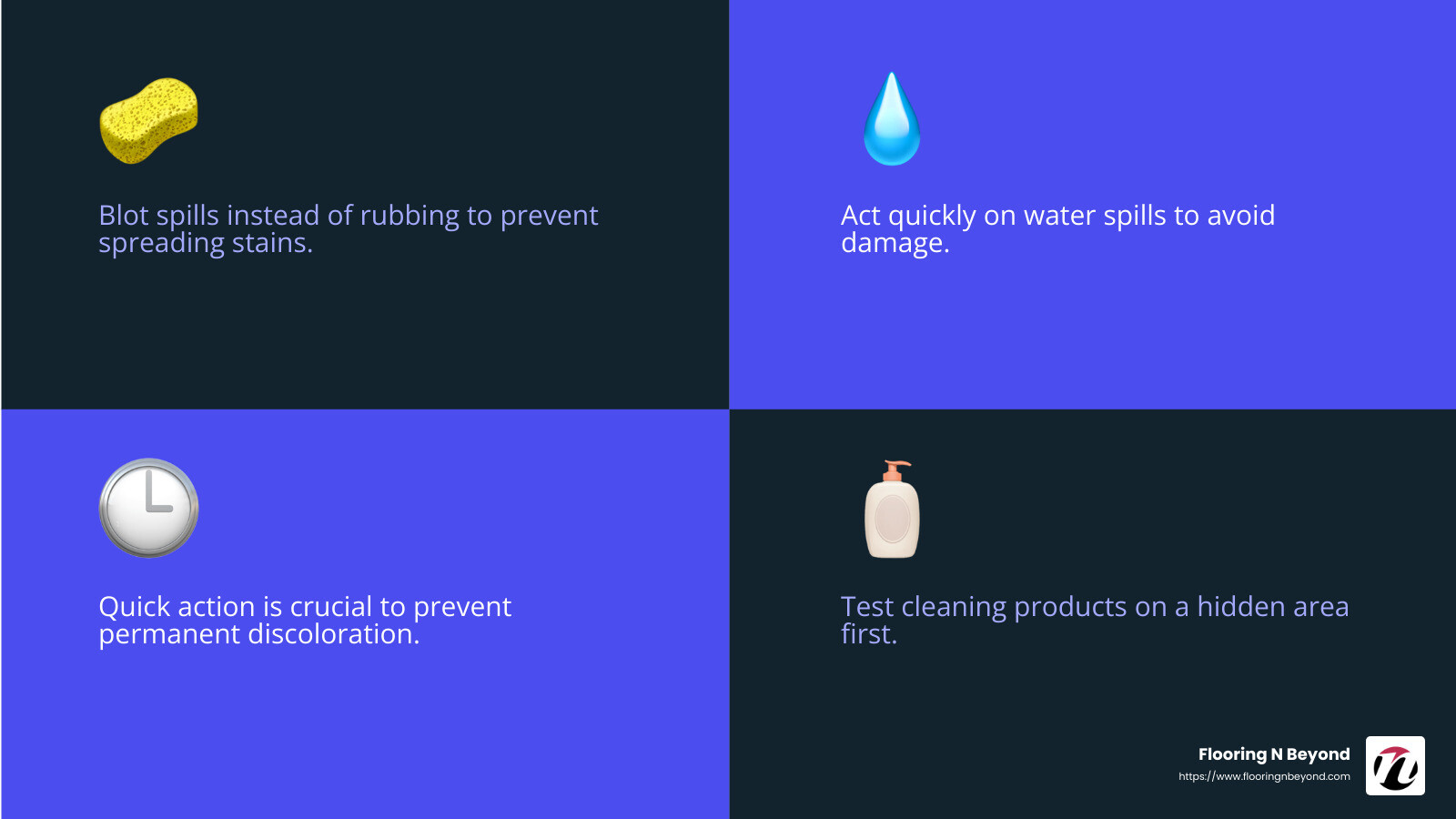
When a spill occurs, your first instinct might be to scrub it away. Resist the urge! Rubbing can spread the stain and push it deeper into the floor. Instead, blot the spill with a clean cloth or paper towel. Start from the edges and work your way inward to contain the spill.
Avoid Water Damage
Water is one of the biggest threats to flooring, especially for materials like hardwood and laminate. If a spill is water-based, act fast to dry the area. Use a dry cloth to soak up as much liquid as possible. For stubborn spills, a microfiber cloth can help absorb moisture without scratching the surface.
Quick Action is Crucial
The longer a spill sits, the more likely it is to cause damage. Quick action can prevent stains and discoloration. For carpets, use a carpet stain remover that is effective for tackling fresh stains. Always test any cleaning product on a small, hidden area first to ensure it doesn't discolor your floor.
By following these immediate spill management tips, you can protect your floors from everyday accidents. It's all about being prepared and acting quickly to maintain your floor's beauty.
Step 3: Seasonal Floor Care
Keeping your floors in top shape year-round means adapting your care routine to the changing seasons. Each season brings its own set of challenges and opportunities for floor maintenance. Here's how to tackle them:
Spring Cleaning
Spring is the perfect time to give your floors a thorough clean after the long winter months. Dust and allergens tend to build up during winter, so start by sweeping or vacuuming with a soft brush attachment. For hardwood floors, use a damp microfiber mop to remove any grime. Check for any signs of wear or damage that might have occurred during the colder months and address them promptly.
Summer Maintenance
Summer often means more foot traffic, especially if you have kids at home or entertain guests. Place doormats at all entry points to catch dirt and sand before it hits your floors. Consider using a latex-based driveway sealer to prevent asphalt from sticking to your floors. This is also a great time to check your floor's finish; if it looks dull, a refresher polish might be needed.
Fall Preparation
As the weather cools, it's time to prepare your floors for the upcoming winter. Rearrange furniture slightly to avoid uneven wear and to give your floors a break from heavy pieces. This is also a good time to apply a protective sealant to floors like stone or vinyl. Make sure your floor protectors are in good condition and replace them if they show signs of wear.
Winter Protection
Winter brings snow, ice, and salt—all of which can wreak havoc on your floors. Keep floors dry by placing absorbent rugs at entrances. If you have hardwood floors, avoid letting water or salt sit on them, as it can cause warping or discoloration. Close curtains or blinds during sunny winter days to prevent UV damage. Regularly sweep or vacuum to remove any abrasive particles that can scratch your floors.
By adjusting your floor care routine to each season, you can extend the life of your floors and keep them looking their best. Accept these seasonal steps to ensure your floors withstand whatever the weather throws at them.
Step 4: Protecting Your Floors
Protecting your floors is key to keeping them looking fresh and extending their lifespan. Here are some simple yet effective strategies to safeguard your floors:
Doormats
Think of doormats as the first line of defense. Place quality doormats at every entrance to trap dirt, sand, and debris before they reach your floors. This simple step can significantly reduce the amount of grit that causes scratches and wear. A good doormat is like a bouncer for your floors—keeping the unwanted guests out!
Furniture Protectors
Furniture can be tough on floors, especially when moved around. Use non-staining floor protectors under furniture legs. Felt pads are great for chairs and tables that get moved frequently. For heavier furniture, consider rustproof metal protectors. These little pads can prevent scratches and gouges, ensuring your floors stay smooth and unblemished.
Sunlight Protection
Sunlight, though beautiful, can be harsh on floors. It can cause discoloration and fading over time. To combat this, close curtains or blinds during peak sunlight hours. This simple action can save your floors from sunburn and keep them looking vibrant.
Rearrange Furniture
Periodically rearranging furniture can help distribute wear more evenly across your floors. This prevents areas from becoming overly worn or faded. Plus, it gives your space a fresh look without much effort. Think of it as giving your floors a mini-vacation from heavy furniture.
By incorporating these protective measures into your routine, you can keep your floors in top shape and enjoy them for years to come.
Next, let's dive into specialized floor maintenance tips to ensure each type of flooring gets the care it truly deserves.
Step 5: Specialized Floor Maintenance Tips
Every floor type has its own personality and needs. By understanding these nuances, you can keep your floors looking pristine. Let's explore the floor maintenance tips for hardwood, tile, vinyl, and carpet.
Hardwood Care
Hardwood floors exude timeless elegance but need careful attention.- Sweep, Dust, and Vacuum Regularly: Use a soft-bristle broom or a vacuum with a hard floor setting to avoid scratches. Microfiber cloths are perfect for dusting.
- Avoid Excess Water: Water can cause swelling and damage. Instead, use a damp mop with a wood-friendly cleaner. Less is more when it comes to moisture.
- Quick Action for Spills: Wipe up spills immediately to prevent water damage. This quick action keeps your wood looking fresh and prevents warping.
Tile Cleaning
Tiles are durable and stylish, but they still need love.- Start with a Sweep: Remove dirt and debris with a soft-bristled broom or a vacuum. This prevents scratches on the glazed surface.
- Use the Right Cleaner: For glazed tiles, an all-purpose cleaner mixed with water works well. Avoid acidic cleaners on marble or natural stone to prevent damage.
- Grout Care: Grout can get grimy. Mix baking soda and water into a paste, apply it to grout lines, and scrub with a nylon brush. Let it sit overnight for best results.
Vinyl Maintenance
- Regular Cleaning: Sweep or vacuum to keep dirt at bay. A damp mop with a gentle cleaner will keep your vinyl looking new.
- Avoid Harsh Chemicals: Steer clear of abrasive cleaners that can damage the surface. Stick to mild detergents for regular cleaning.
- Protective Measures: Use felt pads under furniture to avoid scratches. Vinyl is durable, but a little extra care goes a long way.
Carpet Upkeep
- Vacuum Often: Regular vacuuming prevents dirt from settling in. Use a vacuum with a strong suction to lift dirt from deep within the fibers.
- Spot Clean Promptly: For spills, blot (don’t rub) immediately with a clean cloth. Use a carpet cleaner like Shaw Flooring's R2X Stain & Soil Remover for effective stain removal.
- Deep Clean Periodically: A deep clean every few months keeps carpets fresh. Consider a steam cleaner or professional service for those stubborn stains.
By tailoring your approach to each flooring type, you can ensure your floors remain in excellent condition. Next, we'll tackle some common questions about floor maintenance to clear up any lingering doubts.
Frequently Asked Questions about Floor Maintenance Tips
What is the best way to clean hardwood floors?
Hardwood floors are elegant but require specific care to maintain their beauty. Vacuuming regularly with a hard floor setting helps remove dust without scratching. For dusting, use a microfiber cloth that attracts dirt without damaging the finish.
Avoid using excessive water on hardwood. Instead, opt for a damp mop with a wood-friendly cleaner. Too much moisture can cause warping, so less is definitely more when it comes to water.
How can I prevent floor scratches?
Scratches can mar the appearance of your floors, but a few preventive measures can help. Use furniture pads under the legs of chairs and tables to prevent gouges. Rearranging furniture periodically can also distribute wear more evenly across your floor.
High heels are stylish but can be harsh on floors. Avoid walking on hardwood with these shoes to prevent dents. Additionally, regular dusting with a soft cloth or vacuum can prevent dirt from scratching the surface.
What should I avoid when cleaning floors?
Certain cleaning methods and products can harm your floors over time. Avoid using vinegar and soap-based cleaners on hardwood, as they can dull the finish and leave residues. Similarly, steam mops are not recommended for hardwood due to the heat and moisture they introduce, which can lead to cupping.
By following these floor maintenance tips, you can ensure your floors remain in excellent condition for years to come. For more flooring options and expert advice, visit our Flooring N Beyond showroom.
Conclusion
Flooring N Beyond, professional installation, quality products


