

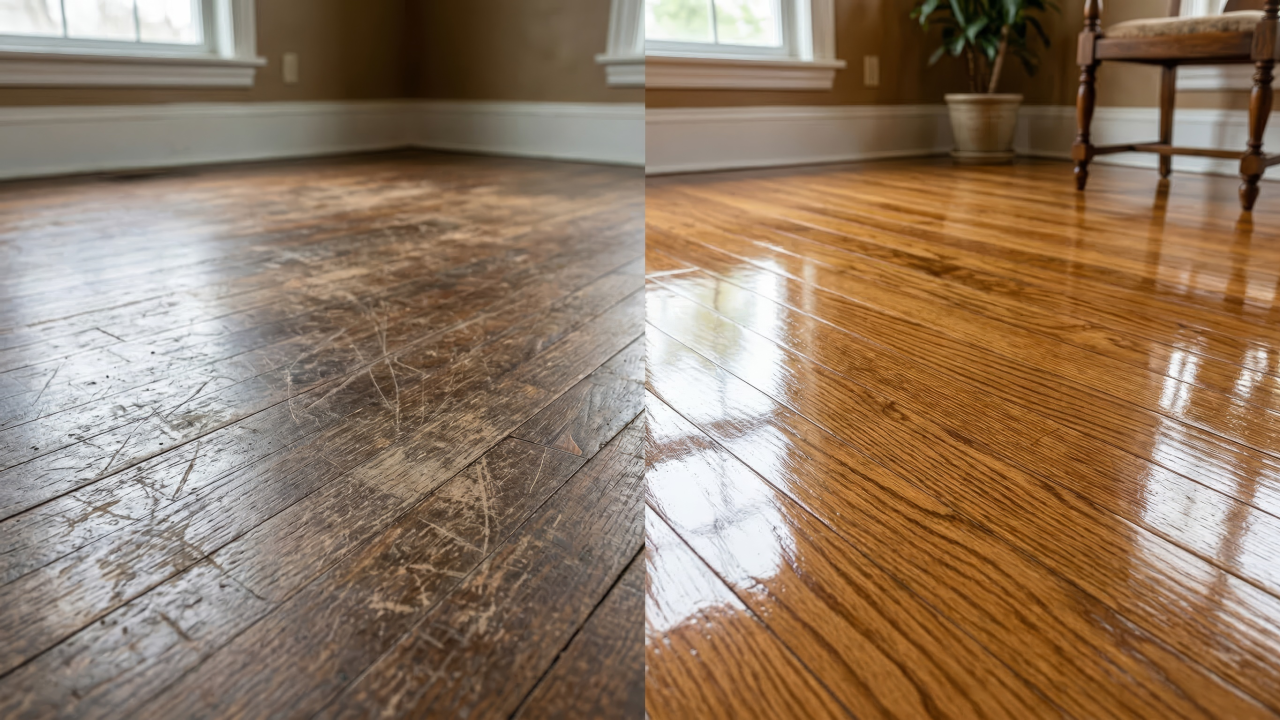
Miamisburg winters bring freezing outdoor temperatures that force central heating systems to run continuously. While indoor furnaces keep your home cozy and warm, they also drastically reduce indoor relative humidity levels. This sudden drop in atmospheric moisture presents one of the greatest threats to natural hardwood floors.
Because wood is a natural hygroscopic material, it constantly absorbs and releases moisture to stay in equilibrium with surrounding air. When indoor air becomes excessively dry during winter, wood planks shed internal moisture, causing them to shrink. This movement can lead to noticeable gaps between planks, squeaking, or minor surface check cracking.
To protect your hardwood investment, strive to maintain indoor relative humidity levels between 35% and 55% throughout the winter months. Running a whole-home humidifier integrated into your HVAC system, or using portable humidifiers in main living areas, stabilizes ambient air. This simple measure prevents hardwood shrinkage and keeps your floor planks fitted tightly together all winter long.
Managing Salt, Slush, and Snow at Entryways
Winter weather in Ohio brings snow, sleet, and icy walkways. To keep driveways and sidewalks safe, property owners rely heavily on de-icing salts and ice melts. Unfortunately, these melting chemicals, along with grit and slush, are damaging to hardwood floor finishes.
Rock salt crystals and abrasive winter grit act like sandpaper when ground underfoot, dulling the floor's protective polyurethane topcoat and scratching the wood surface beneath. Furthermore, melting snow brings standing water, which can penetrate micro-cracks in the finish and cause board dark spots or swelling along board edges.
To protect high-traffic entryways:
Place heavy-duty, absorbent doormats both outside and inside all exterior entrance doors.
Utilize breathable fabric or rubber-backed mats (avoiding non-breathable rubber or vinyl mats that trap moisture against the wood).
Set up dedicated shoe racks or boot trays near entry points so family members and guests can remove wet footwear immediately upon entering.
Proper Cleaning Techniques for Winter Wood Care
Cleaning hardwood floors in winter requires a delicate touch. Standard cleaning habits that work during summer months may cause accidental damage when floors are cold and exposed to salt residues.
Avoid wet mopping or using steam mops on hardwood floors at all costs. Excessive water and steam heat force moisture deep into the wood grain and joints, destabilizing the planks and causing finish failure. Instead, use a soft-bristle broom or a vacuum equipped with a specialized hard-floor attachment (ensuring the beater bar is turned off) to remove grit and dried salt particles safely.
When tackling salt residue or water spots left near entryways, use a microfiber mop lightly dampened with a pH-neutral hardwood floor cleaner designed specifically for your floor's finish. Promptly wipe dry any residual moisture with a clean, dry microfiber cloth.
Long-Term Preventive Measures for Lasting Beauty
Protecting your hardwood floors throughout the winter season requires a combination of routine care and smart habits. Adding protective felt pads under all chair legs and heavy furniture pieces prevents scratches when furniture shifts. Keeping pet nails neatly trimmed reduces surface scratches during high-activity indoor winter days.
By managing indoor humidity, guarding entryways against abrasive road salts, and following gentle cleaning routines, your hardwood floors will easily endure the cold Ohio winters and retain their beautiful finish for decades to come.


