

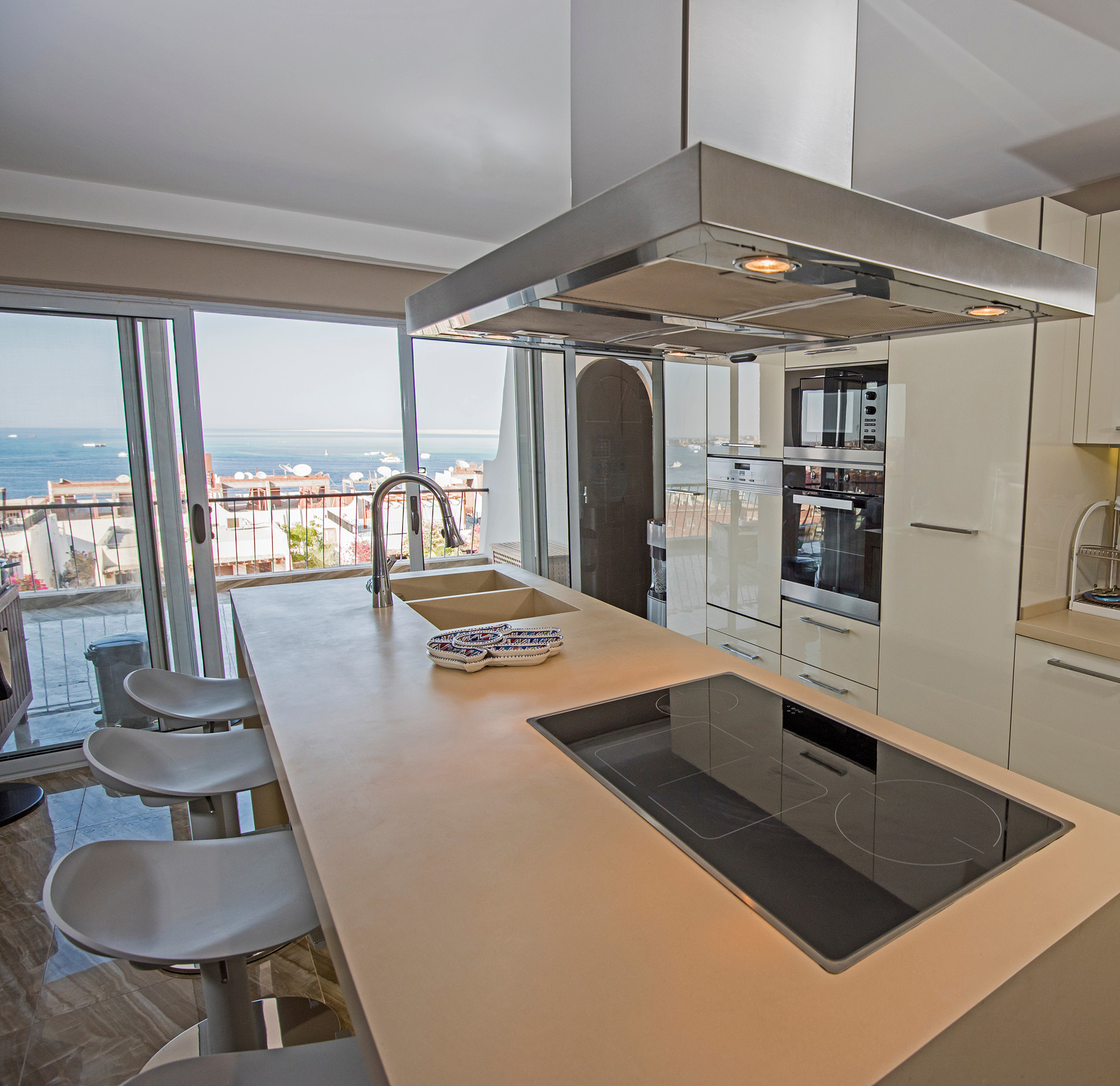
Selecting the right countertop is one of the most significant decisions you will make during a kitchen or bathroom remodel. It is a major visual anchor for the space and a surface that will endure daily use for years. Two of the most popular premium choices on the market today are granite and quartz. While they can look visually similar at a glance, they are entirely different materials with unique characteristics, maintenance requirements, and benefits.
The Natural Beauty of Granite
Granite is a completely natural stone quarried directly from the earth. It is sliced into slabs, polished, and finished for installation. Because it is created by nature, no two slabs of granite are exactly alike. Every piece features distinct veining, swirls, and color variations that give it a unique personality. If you appreciate the idea of having a one-of-a-kind masterpiece in your kitchen, granite is an excellent choice.
However, because it is a natural, porous stone, granite requires a small amount of ongoing maintenance. To prevent liquids from seeping into the stone and causing stains, it must be sealed upon installation and resealed periodically—typically once a year. While this process is straightforward, it is an extra step to keep in mind.
The Low-Maintenance Appeal of Quartz
Quartz, on the other hand, is an engineered stone product. It is manufactured by combining roughly 90% to 95% crushed natural quartz minerals with polymer resins and pigments. This manufacturing process gives quartz a massive advantage: it is entirely non-porous.
Because it is non-porous, quartz never needs to be sealed. It is highly resistant to stains from everyday kitchen culprits like red wine, coffee, olive oil, and juice. Clean-up requires nothing more than mild soap and water. Additionally, because it is engineered, quartz offers incredible consistency in pattern and color. If you prefer a uniform, modern look or want a surface that mimics the elegant, soft veining of marble without marble’s fragility, quartz is tough to beat.
Comparing Durability and Daily Use
Both materials are incredibly tough and durable, but they handle daily wear and tear a bit differently. Granite is exceptionally heat-resistant. You can take a hot pan directly off the stove and set it on a granite countertop without worrying about damaging the surface. It is also highly scratch-resistant, though using a cutting board is still recommended to protect your knives.
Quartz is also highly durable and scratch-resistant, but it is more sensitive to extreme heat. The resins used to bind the quartz can discolor or scorch if subjected to high temperatures, so you must always use trivets or hot pads. On the flip side, quartz is less prone to chipping on the edges than natural granite because the resin binders add a degree of flexibility to the material.
Ready to find the perfect stone surface for your home upgrade?
Reach out to our team today to schedule a design consultation where we can help you find the ideal match for your style and daily life.


